
Atelier · Italia
Hand-painted ketubot, designed together with the couple.
The atelier
Letizia.
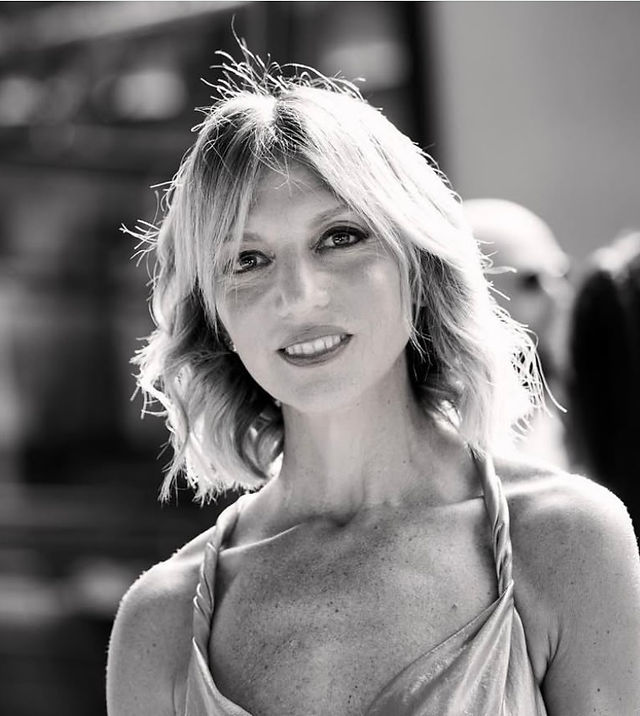
I learned to paint before I learned to write. I grew up among books of early art and illuminated manuscripts, and spent years studying illumination and painting on parchment.
I discovered seventeenth-century Italian ketubot in a library in Venice. Botanical borders, architectural arches, gold leaf: they were contracts, but they were also works of art. I never stopped from that day on.
Today I paint ketubot on commission, for couples who want an object that speaks of them. I do not work from models. I prefer few works a year, each one given full attention.
My relationship with tradition is affectionate, not museum-like. I want a ketubah painted today to be able to converse with those of the seventeenth century without copying them: the same care, the same slow time, a new sensibility.
With the couples who write to me, I look for a true encounter. First we talk, then I tell you about myself and listen to you. Only afterwards do I think about the design.
Materials
What goes into every work
Chosen by hand, one by one. Every material has its own time, gesture and temperature.

01
Natural parchment
Hand-tanned skins, warm and alive. They absorb ink just as they did in seventeenth-century Italian ketubot.
02
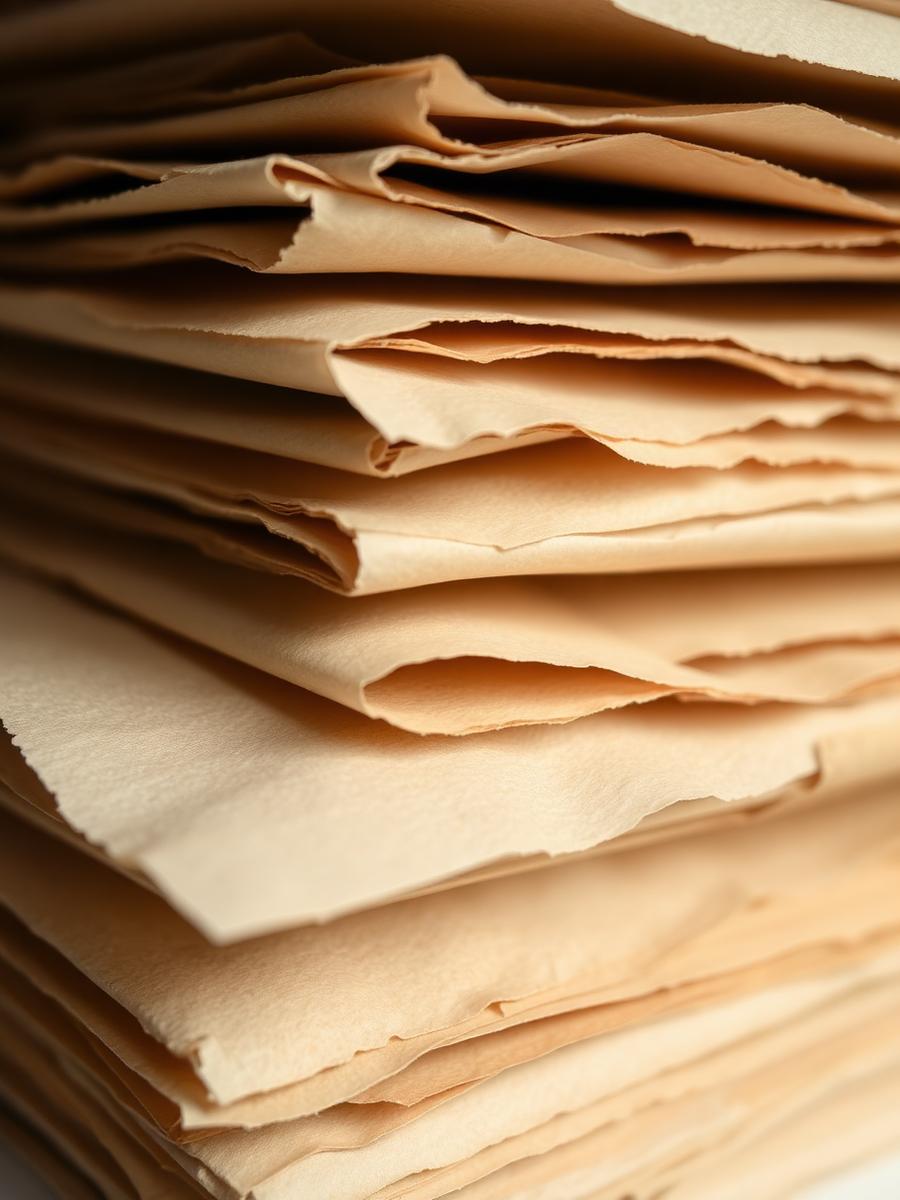
Parchment-style paper
A contemporary alternative: heavyweight cotton papers with deckle edges, stable over time.
03
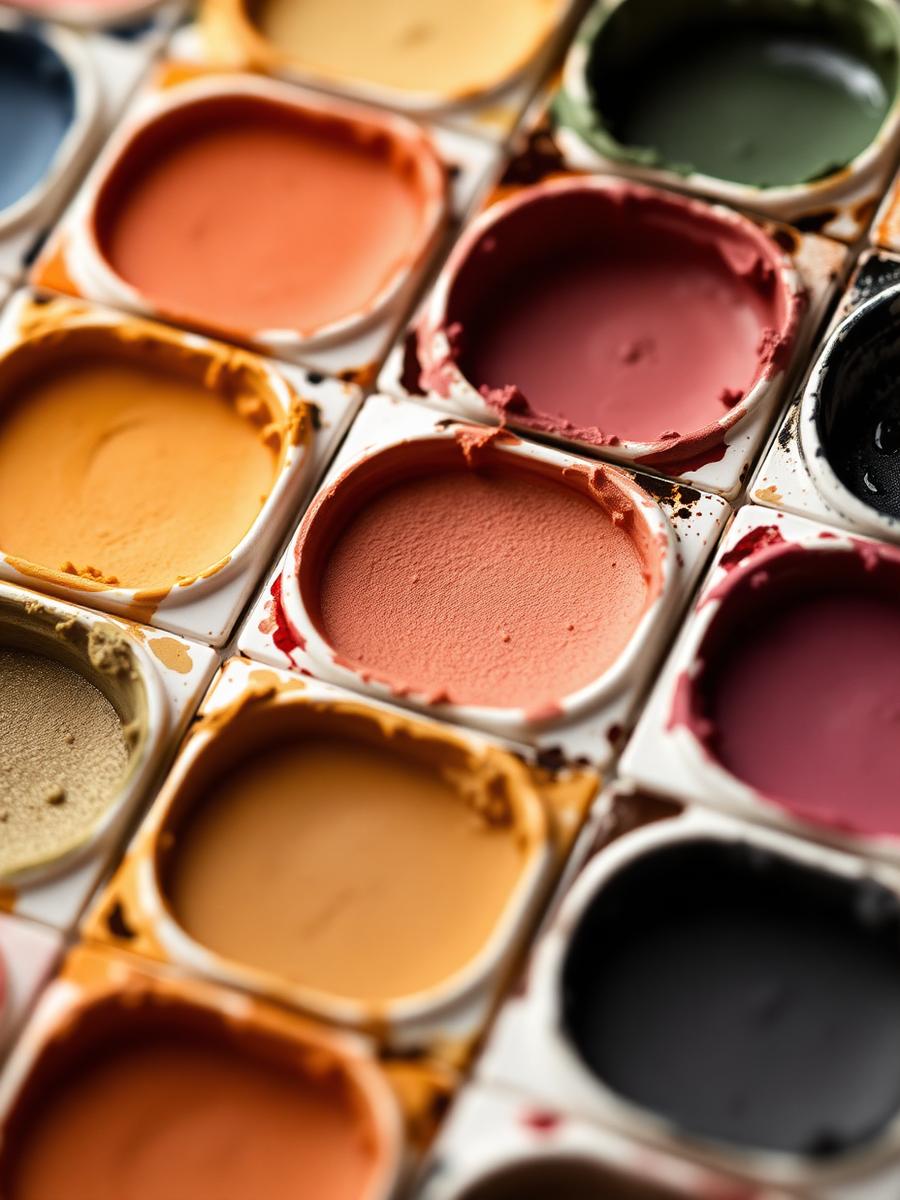
Watercolours
Pigments in pans, often hand-mixed. Deep colours, never flat, that age with grace.
04
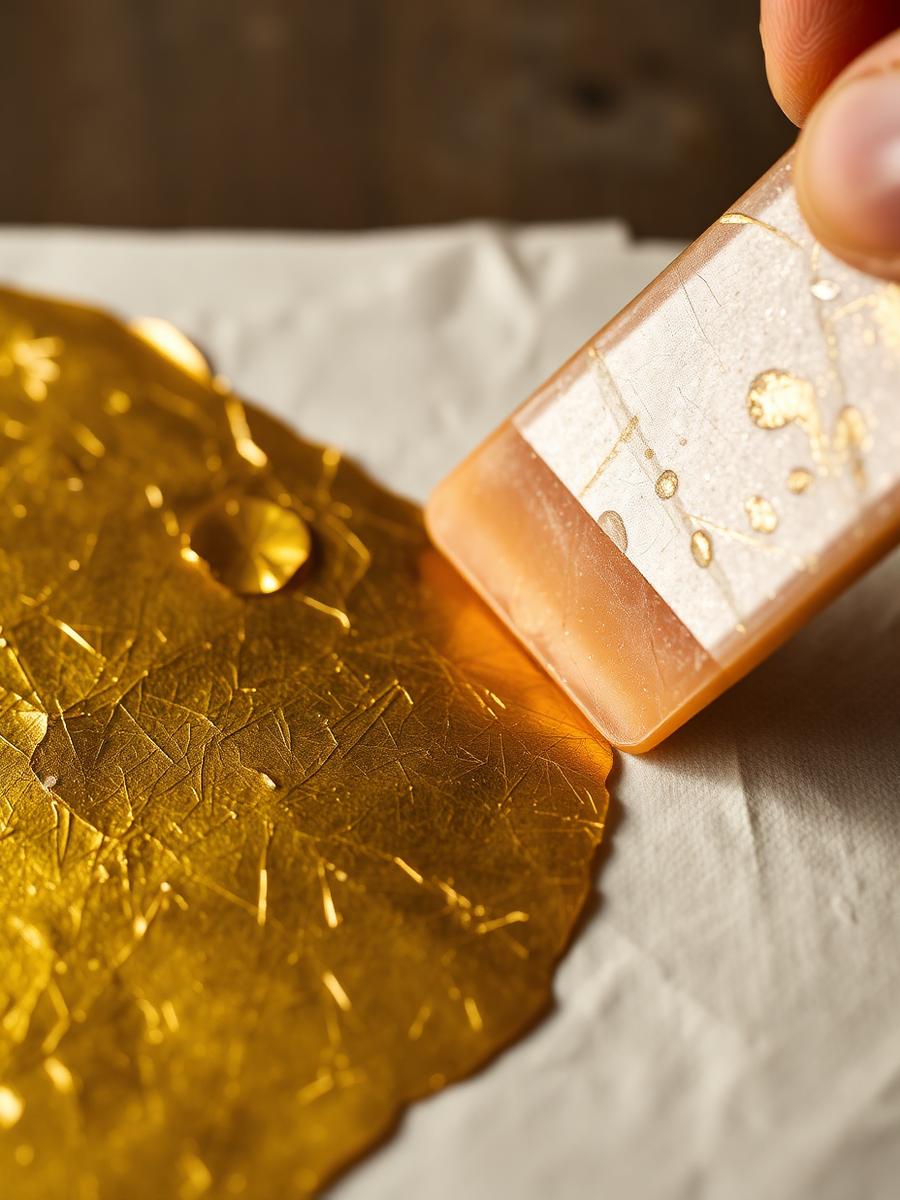
Gold leaf
Pure gold applied leaf by leaf, burnished with agate. It reflects light differently at every hour of the day.
05
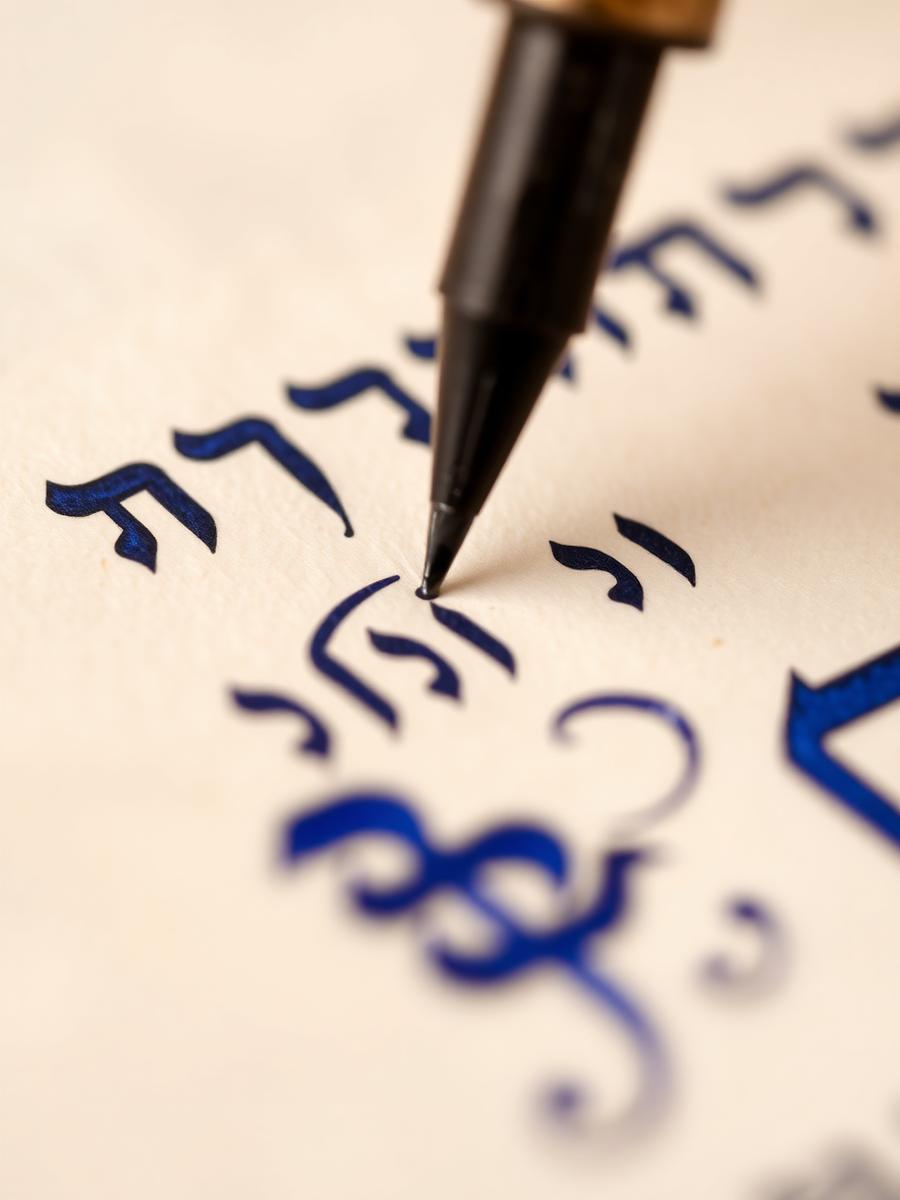
The Sofer
The Hebrew text is handwritten by a Sofer, who is responsible for it. In Rome I work with some of the finest Soferim.